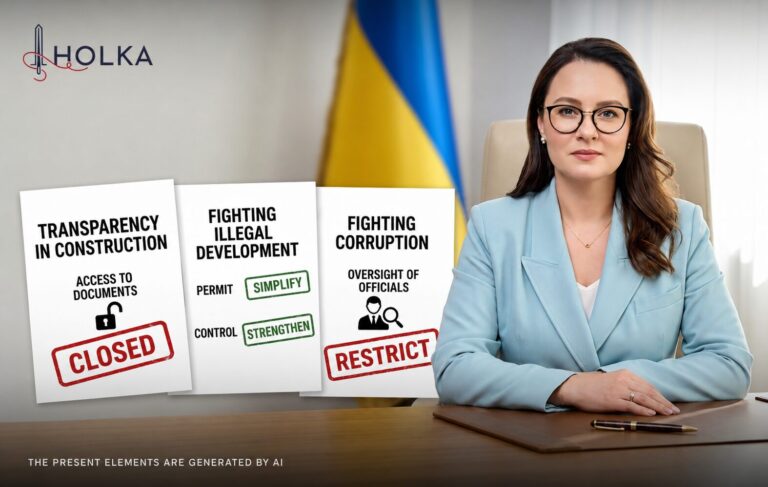
Why bill 9664 on seaports cannot be supported and what is the alternative?


In January, there was a discussion of the bill on seaports (9664).
This initiative was supposed to be reviewed by the Transport Committee, but the key committee that violated the procedure for it was chaired by the leader of the pro-government party and the author of the bill, MP Olena Shulyak. There are already positive conclusions from the committee, although some MPs had their reservations, and some of the remarks were taken into account. The legislative initiative may soon be considered in the session hall.
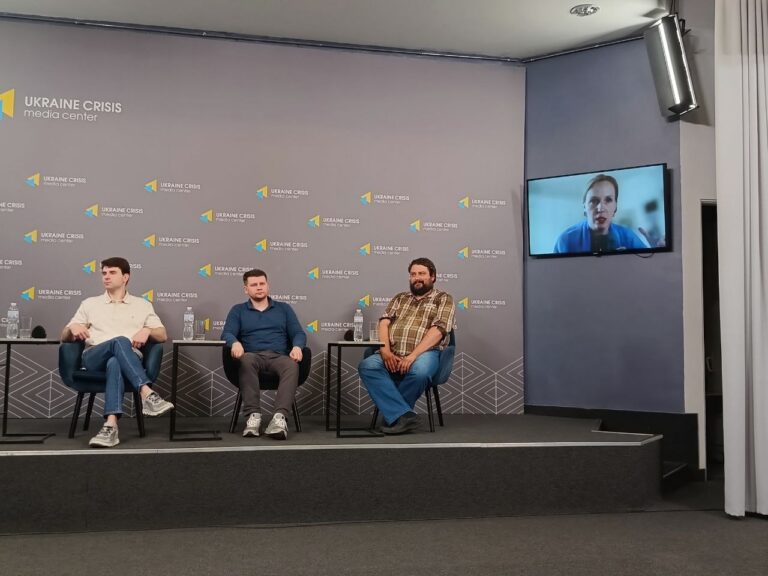
That’s why representatives of the Ro3kvit coalition, which brings together over 80 experts from Ukraine and around the world for quality reconstruction, engaged Ukrainian MPs Hanna Bondar (“Servant of the People”) and Yuliia Klymenko (“Holos”), as well as the head of the public initiative “Holka,” Iryna Fedoriv, international experts, and the public in the discussion.

Fedoriv noted that the Grand Chamber of the Supreme Court has developed case law that allows returning coastal areas to communities and the state because the right of citizens to access water resources cannot be restricted. Lawmakers should study such practice and strengthen legislation.
Several ministries, the transport and environmental committees, the Association of Ukrainian Cities, and a number of organizations have expressed reservations about the bill. MP Bondar, who heads the subcommittee on urban planning, landscaping, and land relations, emphasized this.

It is worth noting that the Ministry of Infrastructure is headed by Deputy Prime Minister Oleksandr Kubrakov, who also assists Olena Shulyak in promoting the controversial urban planning “reform.”
Yuliia Klymenko, who is the first deputy of the transport infrastructure committee and a co-founder of the inter-faction parliamentary association “Maritime Economy and Security,” pointed out that the sea and ports account for 70% of exports, as it offers the cheapest logistics. Grain, metals, and 60% of foreign currency revenue to the state budget are transported through them, among other goods.
Expert Nathan Hatson shared the experience of port construction in the USA, where, among other things, the army is involved, but at the same time emphasized that logistics is the main focus for them. This also needs to be understood, and for balance, there must be control from local authorities, ecologists, and society.
Lilet Breddels, head of the Archis Foundation (Amsterdam), proposed to systematize international experience, including that of architects, and convey this information to lawmakers and the media before the first reading of the bill.
Recall that bill 9664, initiated by the leader of the ‘Servant of the People’ party, Olena Shulyak, initially attempted to be passed through her committee on state governance and local self-government without prior consideration in subcommittees. Members of Parliament Roman Lozinsky (‘Holos’) and Oleg Dunda (‘Servant of the People’) suggested waiting for decisions from the subcommittees and a response from the National Agency on Corruption Prevention (NAZK), which was supposed to provide an anti-corruption expertise.
As of January 2024, there is no anti-corruption expertise from NAZK regarding 9664, and the Agency has not provided any comments on the situation that has arisen.