No Local Elections. Who Leads Party Branches and Why Ukrainians Cannot Be “Outside Politics”?

Local elections were supposed to take place at the end of October 2025. However, due to the ongoing war, the parliament adopted a resolution ensuring the continuous functioning of local authorities. The situation in local councils is significantly better than in the parliament, where half of the MPs were elected in single-mandate districts.
Since 2020, in communities with more than 10,000 voters, citizens elect local council members through party lists. Therefore, when a councillor leaves their seat, a new representative usually replaces them from the same party list. This means that responsibility for the quality of political representation lies with national political parties, which typically have structures in the regions. The quality of local personnel often depends on who leads regional party branches.
Holka analyzed changes in party branch leadership and examined how they should operate to engage citizens in politics and strengthen their talent pool for future elections.
Massive Changes Among Servant of the People Regional Leaders
In the 2020 local elections year, the ruling party appointed well-known but often scandal-prone politicians to lead key branches. The capital city organization was led by Mykola Tyshchenko. He and Oleksandr Dubinsky announced their intention to participate in the Servant of the People primaries to run for Kyiv mayor. In the end, the pro-Russian politician Dubinsky did not run for mayor — instead, he was put in charge of the Kyiv region and led the party list for the regional council elections. Using a national MP as the top candidate is a common political technic when a party lacks strong local leaders.
Party leaders influence who gets elected — branch heads typically determine candidates. Later, the political council expelled Dubinsky’s allies from the Kyiv regional council, but it remains unclear how many of his supporters are still present in local government. His successor, MP Andriy Motovilovets, retained the same partners in the region — local developers. After this change, Servant of the People played a decisive role in removing the elected mayor of Irpin to benefit developers — with the help of European Solidarity.

In Poltava region, the party branch was headed by MP Olha Savchenko. She signed an appeal to the Venice Commission aimed at blocking legislation to ban the Russian Orthodox Church in Ukraine (see the Recharge Ukraine tool for roll-call results). She was also one of only four MPs who voted against a resolution refusing to recognize the fraudulent Belarus election won by pro-Russian dictator Lukashenko. Like Dubinsky, she influenced local candidate selection during the 2020 elections.
A similar situation occurred in Zhytomyr region with MP Andriy Klochko, accused of illicit enrichment. He was later replaced by MP Andriy Pushkarenko. Unlike Tyshchenko and Dubinsky, Savchenko and Klochko remain in the Servant of the People faction.
The party does not always allow competent local leaders to run branches. In Kyiv, the organization was handed to Lesia Zaburanna, reportedly connected to developer Mykytas.
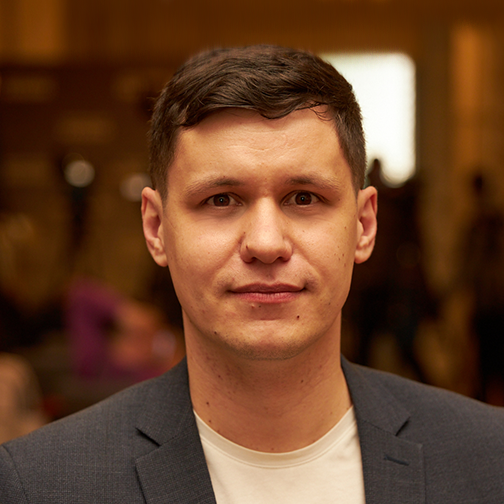
Another Kyiv-elected MP, Roman Hryshchuk, represents a younger district around Kyiv Polytechnic Institute. He took principled positions on multiple issues, including voting against weakening the independence of NABU and SAPO. He stresses a major opportunity:
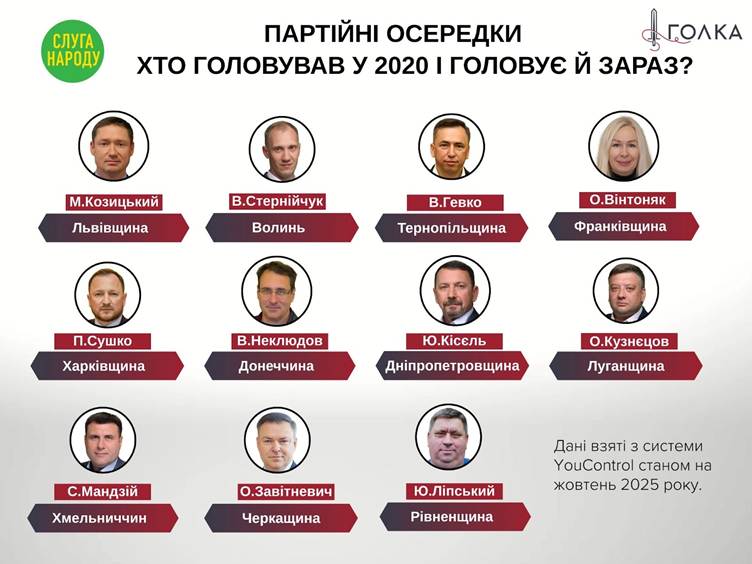
As of October 2025, only one-third of the Servant of the People branch leaders from the 2020 elections remain — including the head of the Lviv regional military administration, Maksym Kozytskyi.
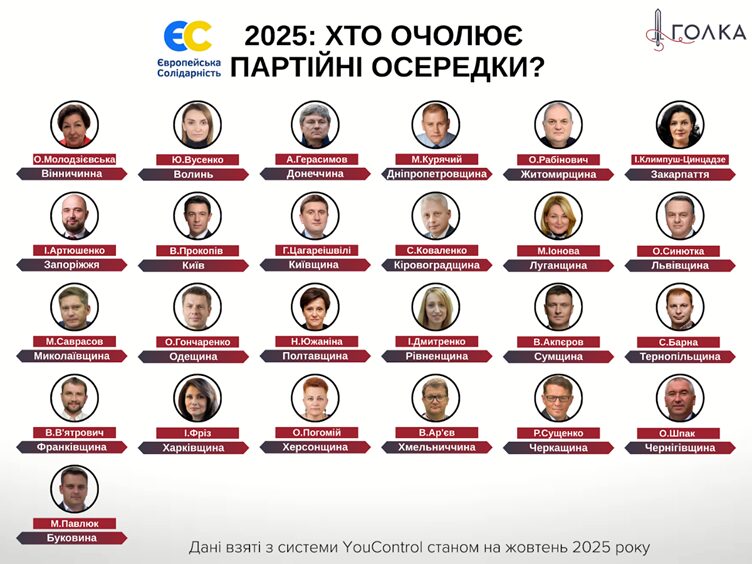
Who Leads the Branches of European Solidarity and Batkivshchyna?
In European Solidarity, when it comes to branch leadership, the situation is more stable compared to Servant of the People. Here, approximately every second regional branch leader has remained in their position.
The fact that Ukrainians would like to see politicians who work effectively for the benefit of the people, yet still dislike political parties, is also mentioned by Member of Parliament Volodymyr Viatrovych, who heads the branch in Ivano-Frankivsk region:
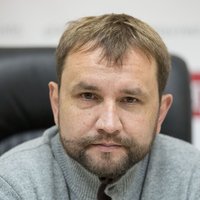
Viatrovych also emphasizes that the war has undoubtedly slowed down the normal political development of the country, but on the other hand, it revealed people:
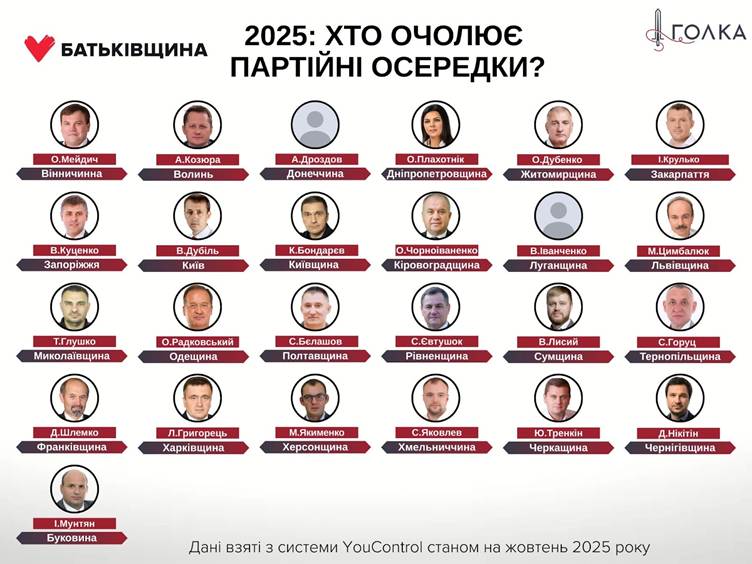
In Batkivshchyna, the situation is similar to Servant of the People — the personnel of regional branches has changed by two-thirds.
Why Citizens Do Not Like Parties and What Should Be Done?
Member of the Svoboda party Yurii Syrotiuk, who joined the front from the very first days of the full-scale war, emphasizes that the Ukrainian state is a product of the Ukrainian nation — and that must become the common cause of every citizen:
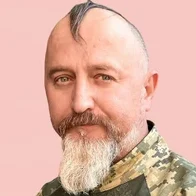
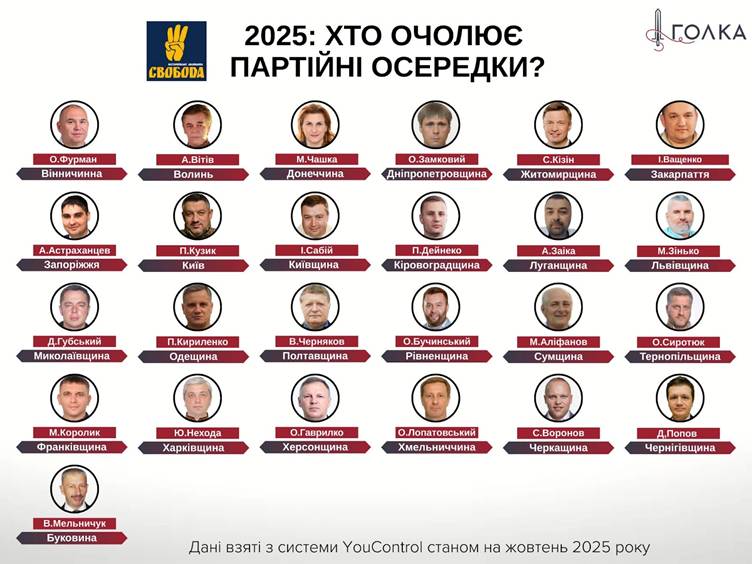
Syrotiuk stresses that Ukraine must have real political parties, not temporary political projects:
There must be a national idea. Most parties in the registry are political projects that operate like grant organizations: there is a so-called ‘grant from Akhmetov’ — they work. No grant — they look for a ‘grant from Kolomoiskyi.’ In general, we must bet on youth, because it has the greatest transformational potential for the state. But we also must understand what people care about. You cannot just come to women and tell them — do this, because our party needs a women’s wing.You must understand what they are passionate about and help them implement their vision at the community and national level. Teach them and expand their worldview. A party must have a big mission — and through people’s interest in green spaces, cultural heritage, housing associations, or education of their children in schools — lead them to the large national idea. Because the majority still has household-level thinking.
One example of a political project is the party For the Future, which originated from the parliamentary group of the same name.
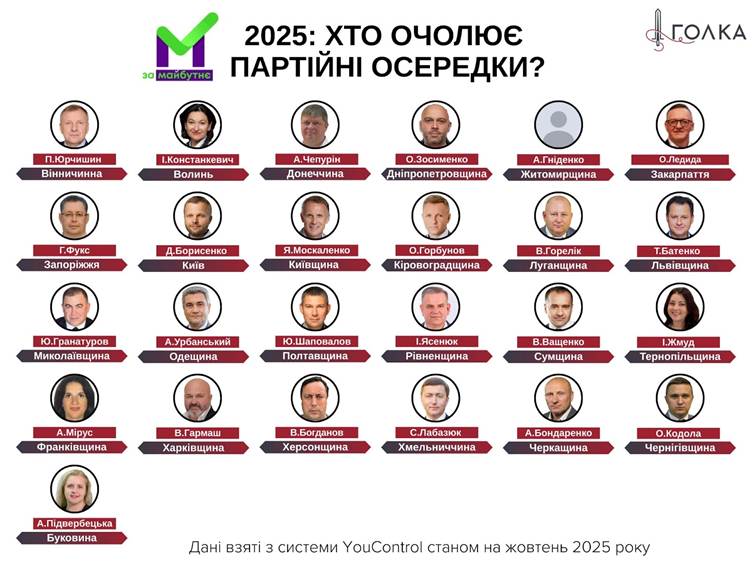
It is linked to the group of Ihor Kolomoiskyi. The project was launched ahead of the 2020 local elections, and here the majority of regional branch leaders — more than two-thirds — have remained in their positions.
There have been several attempts in Ukrainian political history to create new parties that would bring new politicians to power and launch reforms. In the last parliamentary elections, one such attempt was the party Holos, but after Sviatoslav Vakarchuk decided to leave and Kira Rudyk became the party leader, the party and its local branches split.
Despite this, Member of Parliament Yuliia Sirko (formerly Klymenko), who has been pushing in Parliament — among other issues — the ban of the Moscow Patriarchate, emphasizes:
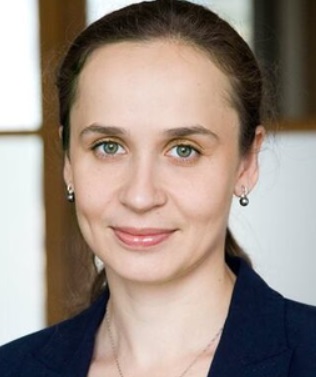
Sirko promotes Ukraine internationally as a maritime state on which global food security depends. She initiated the Maritime Security Strategy of Ukraine.
Victoria Shyliuk, Program Manager at the International Republican Institute (IRI), notes:
We have been working in Ukraine for several decades to support the development of party-building. Even though this is a very difficult time, it also creates significant opportunities for the political system. Party branches are reformatting their work because some members have left the country or relocated to other regions, and this encourages everyone to search for new talent pools. Many volunteer communities have self-organized in Ukraine, and some of them are strong enough to consider their own independent political prospects.
A survey conducted by the Rating sociological group commissioned by the International Republican Institute (IRI) demonstrates that public demand for new political parties has grown rapidly over the past year and a half. While at the beginning of 2024 almost every second Ukrainian was fully satisfied with the existing parties, now nearly 75% want to see new political forces.
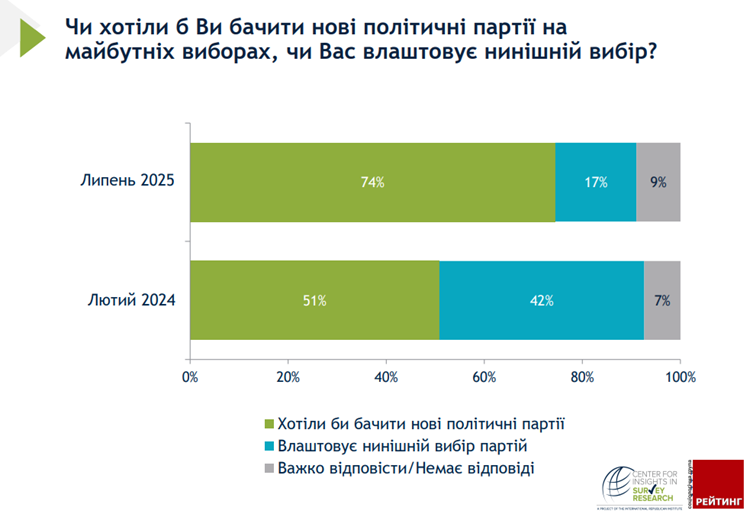
However, Ukraine’s political culture often leads to a rebranding of old political projects before elections.
Therefore, in order to truly change politics, citizens from different sectors will have to take responsibility not only through voting but by participating in governance — both at the local and national levels.
Special for Espreso
Reference:
To prevent voters from once again electing MPs who have harmed national security and economic development, the civic initiative Holka has collected the most significant parliamentary votes over more than six years of the parliament’s work.
The tool “Recharge Ukraine Is in Your Power” allows citizens to track who in Parliament charges the country — and who discharges it.